اخبار روانشناسی ندای مهر
your subjective‚ private feelings.
|
A
|
B
|
C
|
D
|
E
|
F
|
G
|
H
|
I
|
||
|
1
|
I've been romantic and imaginative. |
|||||||||
|
I've been pragmatic and down to earth. |
||||||||||
|
2
|
I have tended to take on confrontations. |
|||||||||
|
I have tended to avoid confrontations. |
||||||||||
|
3
|
I have typically been diplomatic‚ charming and ambitious. |
|||||||||
|
I have typically been direct‚ formal and idealistic. |
||||||||||
|
4
|
I have tended to be focused and intense. |
|||||||||
|
I have tended to be spontaneous and fun-loving. |
||||||||||
|
5
|
I have been a hospitable person and have enjoyed welcoming new friends into my life. |
|||||||||
|
I have been a private person and have not mixed much with others. |
||||||||||
|
6
|
Generally‚ it's been easy to 'get a rise' out of me. |
|||||||||
|
Generally‚ it's been difficult to 'get a rise' out of me. |
||||||||||
|
7
|
I've been more of a 'street-smart' survivor. |
|||||||||
|
I've been more of a 'high-minded' idealist. |
||||||||||
|
8
|
I have needed to show affection to people. |
|||||||||
|
I have preferred to maintain a certain distance with people. |
||||||||||
|
9
|
When presented with a new experience‚ I've usually asked myself if it would be useful to me. |
|||||||||
|
When presented with a new experience‚ I've usually asked myself if it would be enjoyable. |
||||||||||
|
10
|
I have tended to focus too much on myself. |
|||||||||
|
I have tended to focus too much on others. |
||||||||||
|
11
|
Others have depended on my insight and knowledge. |
|||||||||
|
Others have depended on my strength and decisiveness. |
||||||||||
|
12
|
I have come across as being too unsure of myself. |
|||||||||
|
I have come across as being too sure of myself. |
||||||||||
|
13
|
I have been more relationship-oriented than goal-oriented. |
|||||||||
|
I have been more goal-oriented than relationship-oriented. |
||||||||||
|
14
|
I have not been able to speak up for myself very well. |
|||||||||
|
I have been outspoken - I've said what others wished they |
||||||||||
|
15
|
It's been difficult for me to stop considering alternatives and do something definite. |
|||||||||
|
It's been difficult for me to take it easy and be more flexible. |
||||||||||
|
16
|
I have tended to be hesitant and procrastinating. |
|||||||||
|
I have tended to be bold and domineering. |
||||||||||
|
17
|
My reluctance to get too involved has got me into trouble with people. |
|||||||||
|
My eagerness to have people depend on me has got me into trouble with them. |
||||||||||
|
18
|
Usually‚ I have been able to put my feelings aside to get the job done. |
|||||||||
|
Usually‚ I have needed to work through my feelings before I could act. |
||||||||||
|
19
|
Generally‚ I have been methodical and cautious. |
|||||||||
|
Generally‚ I have been adventurous and taken risks. |
||||||||||
|
20
|
I have tended to be a supportive‚ giving person‚ who enjoys the company of others. |
|||||||||
|
I have tended to be a serious‚ reserved person‚ who likes discussing issues. |
||||||||||
|
21
|
I've often felt the need to be a 'pillar of strength'. |
|||||||||
|
I've often felt the need to perform perfectly. |
||||||||||
|
22
|
I've typically been interested in asking tough questions and maintaining my independence. |
|||||||||
|
I've typically been interested in maintaining my stability and peace of mind. |
||||||||||
|
23
|
I've been too hard-nosed and sceptical. |
|||||||||
|
I've been too soft-hearted and sentimental |
||||||||||
|
24
|
I've often worried that I'm missing out on something better. |
|||||||||
|
I've often worried that if I let down my guard‚ someone will take advantage of me. |
||||||||||
|
25
|
My habit of being 'stand-offish' has annoyed people. |
|||||||||
|
My habit of telling people what to do has annoyed people. |
||||||||||
|
26
|
Usually‚ when troubles have got to me‚ I have been able to 'tune them out'. |
|||||||||
|
Usually‚ when troubles have got to me‚ I have treated myself to something I've enjoyed. |
||||||||||
|
27
|
I have depended upon my friends and they have known that they can depend on me. |
|||||||||
|
I have not depended on people; I have done things on my own. |
||||||||||
|
28
|
I have tended to be detached and preoccupied. |
|||||||||
|
I have tended to be moody and self-absorbed. |
||||||||||
|
29
|
I have liked to challenge people and 'shake them up'. |
|||||||||
|
I have liked to comfort people and calm them down. |
||||||||||
|
30
|
I have generally been an outgoing‚ sociable person. |
|||||||||
|
I have generally been an earnest‚ self-disciplined person. |
||||||||||
|
31
|
I've usually been shy about showing my abilities. |
|||||||||
|
I've usually liked to let people know what I can do well. |
||||||||||
|
32
|
Pursuing my personal interests has been more important to me than having comfort and security. |
|||||||||
|
having comfort and security has been more important to me than pursuing my personal interests. |
||||||||||
|
33
|
When I've had conflict with others‚ I've tended to withdraw. |
|||||||||
|
When I've had conflict with others‚ I've rarely backed down. |
||||||||||
|
34
|
I have given in too easily and let others push me around |
|||||||||
|
I have been too uncompromising and demanding with others. |
||||||||||
|
35
|
I've been appreciated for my unsinkable spirit and great sense of humour. |
|||||||||
|
I've been appreciated for my quiet strength and exceptional generosity. |
||||||||||
|
36
|
Much of my success has been due to my talent for making a favourable impression. |
|||||||||
|
Much of my success has been achieved despite my lack of interest in developing 'interpersonal skills'. |
• Add your total number of Xs for each column for example‚ you might have four Xs in Column A‚ and six in Column G. Fill in your scores in the box below. • Each column corresponds to your Enneagram personality type‚ from One to Nine. Please note that they have been randomised and are not in numerical order. • If you have answered honestly and accurately‚ your basic personality type should be one of the top three scores. If your results are unclear‚ review your responses to see whether you wish to change any of them. See overleaf for an analysis of your type. your results
|
A
|
NINE
|
|
|
B
|
SIX
|
|
|
C
|
THREE
|
|
|
D
|
ONE
|
|
|
E
|
FOUR
|
|
|
F
|
TWO
|
|
|
G
|
EIGHT
|
|
|
H
|
FIVE
|
|
|
I
|
SEVEN
|
Here you will find basic information and materials for the HEXACO Personality Inventory-Revised‚ an instrument that assesses the six major dimensions of personality: Please answer every statement‚ even if you are not completely sure of your response.
HEXACO-PI-R 100 item
Kibeom Lee‚ Ph.D.‚ & Michael C. Ashton‚ Ph.D.
Please provide the following information about the person that you will be rating.
Number of years that you have been acquainted with this person: ______ years
Sex of the person that you will be rating (circle): Female Male
Age of the person that you will be rating: ______ years
|
1
|
I would be quite bored by a visit to an art gallery.
|
|
|
2
|
I clean my office or home quite frequently.
|
|
|
3
|
I rarely hold a grudge‚ even against people who have badly wronged me.
|
|
|
4
|
I feel reasonably satisfied with myself overall.
|
|
|
5
|
I would feel afraid if I had to travel in bad weather conditions.
|
|
|
6
|
If I want something from a person I dislike‚ I will act very nicely toward that person in order to get it.
|
|
|
7
|
I'm interested in learning about the history and politics of other countries.
|
|
|
8
|
When working‚ I often set ambitious goals for myself.
|
|
|
9
|
People sometimes tell me that I am too critical of others.
|
|
|
10
|
I rarely express my opinions in group meetings.
|
|
|
11
|
I sometimes can't help worrying about little things.
|
|
|
12
|
If I knew that I could never get caught‚ I would be willing to steal a million dollars.
|
|
|
13
|
I would like a job that requires following a routine rather than being creative.
|
|
|
14
|
I often check my work over repeatedly to find any mistakes.
|
|
|
15
|
People sometimes tell me that I'm too stubborn.
|
|
|
16
|
I avoid making "small talk" with people.
|
|
|
17
|
When I suffer from a painful experience‚ I need someone to make me feel comfortable.
|
|
|
18
|
having a lot of money is not especially important to me.
|
|
|
19
|
I think that paying attention to radical ideas is a waste of time.
|
|
|
20
|
I make decisions based on the feeling of the moment rather than on careful thought.
|
|
|
21
|
People think of me as someone who has a quick temper.
|
|
|
22
|
I am energetic nearly all the time.
|
|
|
23
|
I feel like crying when I see other people crying.
|
|
|
24
|
I am an ordinary person who is no better than others.
|
|
|
25
|
I wouldn't spend my time reading a book of poetry.
|
|
|
26
|
I plan ahead and organize things‚ to avoid scrambling at the last minute.
|
|
|
27
|
My attitude toward people who have treated me badly is "forgive and forget".
|
|
|
28
|
I think that most people like some aspects of my personality.
|
|
|
29
|
I don’t mind doing jobs that involve dangerous work.
|
|
|
30
|
I wouldn't use flattery to get a raise or promotion at work‚ even if I thought it would succeed.
|
|
|
31
|
I enjoy looking at maps of different places.
|
|
|
32
|
I often push myself very hard when trying to achieve a goal.
|
|
|
33
|
I generally accept people’s faults without complaining about them.
|
|
|
34
|
In social situations‚ I'm usually the one who makes the first move.
|
|
|
35
|
I worry a lot less than most people do.
|
|
|
36
|
I would be tempted to buy stolen property if I were financially tight.
|
|
|
37
|
I would enjoy creating a work of art‚ such as a novel‚ a song‚ or a painting.
|
|
|
38
|
When working on something‚ I don't pay much attention to small details.
|
|
|
39
|
I am usually quite flexible in my opinions when people disagree with me.
|
|
|
40
|
I enjoy having lots of people around to talk with.
|
|
|
41
|
I can handle difficult situations without needing emotional support from anyone else.
|
|
|
42
|
I would like to live in a very expensive‚ high-class neighborhood.
|
|
|
43
|
I like people who have unconventional views.
|
|
|
44
|
I make a lot of mistakes because I don't think before I act.
|
|
|
45
|
I rarely feel anger‚ even when people treat me quite badly.
|
|
|
46
|
On most days‚ I feel cheerful and optimistic.
|
|
|
47
|
When someone I know well is unhappy‚ I can almost feel that person's pain myself.
|
|
|
48
|
I wouldn’t want people to treat me as though I were superior to them.
|
|
|
49
|
If I had the opportunity‚ I would like to attend a classical music concert.
|
|
|
50
|
People often joke with me about the messiness of my room or desk.
|
|
|
51
|
If someone has cheated me once‚ I will always feel suspicious of that person.
|
|
|
52
|
I feel that I am an unpopular person.
|
|
|
53
|
When it comes to physical danger‚ I am very fearful.
|
|
|
54
|
If I want something from someone‚ I will laugh at that person's worst jokes.
|
|
|
55
|
I would be very bored by a book about the history of science and technology.
|
|
|
56
|
Often when I set a goal‚ I end up quitting without having reached it.
|
|
|
57
|
I tend to be lenient in judging other people.
|
|
|
58
|
When I'm in a group of people‚ I'm often the one who speaks on behalf of the group.
|
|
|
59
|
I rarely‚ if ever‚ have trouble sleeping due to stress or anxiety.
|
|
|
60
|
I would never accept a bribe‚ even if it were very large.
|
|
|
61
|
People have often told me that I have a good imagination.
|
|
|
62
|
I always try to be accurate in my work‚ even at the expense of time.
|
|
|
63
|
When people tell me that I’m wrong‚ my first reaction is to argue with them.
|
|
|
64
|
I prefer jobs that involve active social interaction to those that involve working alone.
|
|
|
65
|
Whenever I feel worried about something‚ I want to share my concern with another person.
|
|
|
66
|
I would like to be seen driving around in a very expensive car.
|
|
|
67
|
I think of myself as a somewhat eccentric person.
|
|
|
68
|
I don’t allow my impulses to govern my behavior.
|
|
|
69
|
Most people tend to get angry more quickly than I do.
|
|
|
70
|
People often tell me that I should try to cheer up.
|
|
|
71
|
I feel strong emotions when someone close to me is going away for a long time.
|
|
|
72
|
I think that I am entitled to more respect than the average person is.
|
|
|
73
|
Sometimes I like to just watch the wind as it blows through the trees.
|
|
|
74
|
When working‚ I sometimes have difficulties due to being disorganized.
|
|
|
75
|
I find it hard to fully forgive someone who has done something mean to me.
|
|
|
76
|
I sometimes feel that I am a worthless person.
|
|
|
77
|
Even in an emergency I wouldn't feel like panicking.
|
|
|
78
|
I wouldn't pretend to like someone just to get that person to do favors for me.
|
|
|
79
|
I’ve never really enjoyed looking through an encyclopedia.
|
|
|
80
|
I do only the minimum amount of work needed to get by.
|
|
|
81
|
Even when people make a lot of mistakes‚ I rarely say anything negative.
|
|
|
82
|
I tend to feel quite self-conscious when speaking in front of a group of people.
|
|
|
83
|
I get very anxious when waiting to hear about an important decision.
|
|
|
84
|
I’d be tempted to use counterfeit money‚ if I were sure I could get away with it.
|
|
|
85
|
I don't think of myself as the artistic or creative type.
|
|
|
86
|
People often call me a perfectionist.
|
|
|
87
|
I find it hard to compromise with people when I really think I’m right.
|
|
|
88
|
The first thing that I always do in a new place is to make friends.
|
|
|
89
|
I rarely discuss my problems with other people.
|
|
|
90
|
I would get a lot of pleasure from owning expensive luxury goods.
|
|
|
91
|
I find it boring to discuss philosophy.
|
|
|
92
|
I prefer to do whatever comes to mind‚ rather than stick to a plan.
|
|
|
93
|
I find it hard to keep my temper when people insult me.
|
|
|
94
|
Most people are more upbeat and dynamic than I generally am.
|
|
|
95
|
I remain unemotional even in situations where most people get very sentimental.
|
|
|
96
|
I want people to know that I am an important person of high status.
|
|
|
97
|
I have sympathy for people who are less fortunate than I am.
|
|
|
98
|
I try to give generously to those in need.
|
|
|
99
|
It wouldn’t bother me to harm someone I didn’t like.
|
|
|
100
|
People see me as a hard-hearted person.
|
ASPIRES ASPIRES is copyrighted 1999‚ 2004 by Ralph L. Piedmont‚ Ph.D. Further reproduction is prohibited without express permission of Dr. Piedmont. Spiritual Transcendence (ST) represents the ability of an individual to stand outside of his/her immediate sense of time and place and to view life from a larger‚ more objective perspective. This transcendent perspective is one in which the person sees a fundamental unity underlying the diverse strivings of nature. People high on ST believe that there is a larger plan and meaning to life‚ something beyond our mortal existence. Despite all the ups and downs in life‚ there is something more permanent and constant that gives direction‚ meaning‚ and value to life. Those low on ST are more concerned with the material aspects of life and see no larger meaning to life other than what life offers in the here and now. There are three aspects to ST: Prayer Fulfillment‚ a feeling of joy and contentment that results from personal encounters with the god of one's understanding; Universality‚ a belief that all of life is intimately tied together; and Connectedness‚ a belief that one is part of a larger human reality that cuts across generations and groups.
SPIRITUAL TRANSCENDENCE SCALESHORT FORM
|
Section II.
|
Strongly
Agree
|
Agree
|
Neutral
|
Disagree
|
Strongly
Disagree
|
|
1. In the quiet of my prayers and /or meditations‚ I find a sense of wholeness.
|
1
|
1
|
1
|
1
|
1
|
|
2. I have done things in my life because I believed it would please a parent‚ relative‚ or friend that had died.
|
1
|
1
|
1
|
1
|
1
|
|
3. Although dead‚ memories and thoughts of some of my relatives continue to influence my current life.
|
1
|
1
|
1
|
1
|
1
|
|
4. I find inner strength and/or peace from my prayers and/or meditations.
|
1
|
1
|
1
|
1
|
1
|
|
5. I do not have any strong emotional ties to someone who has died.
|
1
|
1
|
1
|
1
|
1
|
|
6. There is no higher plane of consciousness or spirituality that binds all people.
|
1
|
1
|
1
|
1
|
1
|
|
7. Although individual people may be difficult‚ I feel an emotional bond with all of humanity.
|
1
|
1
|
1
|
1
|
1
|
|
8. My prayers and/or meditations provide me with a sense of emotional support.
|
1
|
1
|
1
|
1
|
1
|
|
9. I feel that on a higher level all of us share a common bond.
|
1
|
1
|
1
|
1
|
1
|
To Score the STS-R‚ points are assigned to your responses to each item. For items 1‚ 2‚ 3‚ 4‚ 7‚ 8‚ and 9 assign 5 points for each Strongly Agree response‚ 4 points for each Agree‚ 3 points for each Neutral‚ 2 points for each Disagree‚ and 1 point for each Strongly Disagree. For items 5 and 6‚ the opposite applies; give 1 point for each Strongly Agree‚ 2 points for Agree‚ 3 points for Neutral‚ 4 points for Disagree‚ and 5 points for Strongly Disagree. Add your scores for all nine items together. The table below presents the average range of scores by gender and age group. If your total score falls in this range‚ then you have an interest in understanding broader‚ transcendent issues‚ but also have concerns for immediate needs. You balance both perspectives. If your score is higher than these values‚ then you have a strong Spiritual Transcendent Orientation. You are concerned with living a life that is in accord with values and meanings that originate with some larger understanding of the purpose of the universe. You tend to see life in terms of "both and" rather than "either or". Individuals whose score is lower than the tabled values are more focused on the tangible realities of daily living. There may be more of a self-oriented focus to life‚ where personal concerns and issues are of greater concern.
|
Gender
|
Age
|
Total
STS
|
Prayer
Fulfillment
Items 1‚ 4‚ 8
|
Universality
Items 6‚ 7‚ 9
|
Connected-
ness
Items 2‚ 3‚ 5
|
|
Women
|
Up to age 21
Ages 21 - 30
Ages 30 and up
|
29-35
32-38
35-39
|
9-12
11-13
11-14
|
9-12
11-13
11-13
|
10-12
10-13
10-12
|
|
Men
|
Up to age 21
Ages 21 - 30
Ages 30 and up
|
27-33
23-29
34-38
|
8-11
7-11
13-15
|
9-11
6-10
11-13
|
9-12
8-11
10-12
|
To get a better sense of your standing on the different aspects of ST‚ you can find your score on each of the three facets. For Prayer Fulfillment‚ add your point values for items 1‚ 4‚ and 8. Finding your gender and age group in the above table‚ look to see what the average range of scores are. If your score is in this range‚ this indicates that there are times when you derive some emotional satisfaction from prayer and/or mediation. However‚ there are times when the pressures of daily life interfere with‚ or prevent‚ you from engaging in such practices. If your score is higher‚ then you are someone who has created a space in your life that is devoted to meditation and prayer on a regular basis. Individuals who score high tend to find a personal sense of emotional satisfaction‚ strength‚ and support in their efforts to connect with some larger reality. Time spent in this positive solitude provides fortification and feelings of emotional renewal during times of crisis and stress. Those who score lower than the average tend not to involve themselves with this type of inner work. Any efforts at meditation or prayer are more haphazard in nature and superficial in depth. Such individuals are easily distracted by the immediate demands of their lives from meditative pursuits. For Universality‚ add your scores for items 6‚ 7‚ and 9. Again‚ the table provides the average range of scores. Such scores reflect a belief that there are some things in life to which the person feels close (e.g.‚ people‚ organizations)‚ but there are also aspects of life to which the individual may feel distant or believe to be alien. High scores represent a belief that all of life is interconnected. There is the belief that all people share a common bond and heritage that supercedes any external differences. Seeing humanity as a single‚ interrelated body breeds a broad respect for others and a corresponding need to protect life in all its forms. Hurting any one element may hurt the whole. Low scores reflect a more "go it alone" type attitude; that each person needs to rely on him/herself. Humanity may be viewed as simply a collection of individuals‚ some may be seen as more similar to self than others. There can be a "we versus they" mentality. For Connectedness‚ add your scores to items 2‚ 3‚ and 5. Average scores reflect a belief that relationships are important but one's commitment to others may be limited to certain individuals. High scores represent a belief that a person is like a hub of a wheel‚ with spokes radiating out in all directions. These "spokes" represent relationships one has‚ as well as obligations‚ to those who preceded the person (e.g.‚ parents‚ grandparents‚ one's ancestors)‚ to those who co-occupy the current world both immediately (current family‚ friends‚ co-workers) and distally (strangers who may be in need)‚ to those who will come after (e.g.‚ children‚ grandchildren‚ future generations). Those who score high on this dimension experience a special sense of responsibility (and gratitude) for the many gifts received from those who came before; recognize a need to grow these gifts through sharing with others; and see an obligation to insure that the wisdom and wealth of this generations is transmitted to those who come after. Low scores reflect a potential difficulty to find a sense of belonging and meaning within any type of group or community. Such individuals may have feelings of isolation and/or alienation from others. Low scores would reflect a tendency to view one's life only from the immediacy of one's personal history. The ASPIRES measures both spirituality and religiosity. It comes in both a long form (35 items) and a short form (13 items). To receive a free specimen set contact Dr. Piedmont at این آدرس ایمیل توسط spambots حفاظت می شود. برای دیدن شما نیاز به جاوا اسکریپت دارید.
|
|
|||
|
IOWA STATE UNIVERSITY
OF SCIENCE AND TECHNOLOGY
College of Liberal Arts and Sciences Department of Psychology W112 Lagomarcino Hall Ames‚ IA 50011-3180
E-mail: این آدرس ایمیل توسط spambots حفاظت می شود. برای دیدن شما نیاز به جاوا اسکریپت دارید
Phone: (515) 294-1742
FAX: (515) 294-6424
December 7‚ 1999
Dear colleague:
Attached are copies of the five versions of the Attributional Style Assessment Test my colleagues and Ihave used in our research. Three of the versions use a forced choice approach (ASAT I & II‚ and a Chinese version of ASAT I). Two use a dimensional approach (ASAT III & IV). Both approaches have proven useful in our research for addressing slightly different research questions. Three of the versions contain 20 items (ASAT I‚ III‚ and the Chinese version). The other two contain 36 items (ASAT II & IV). Note that the dimensional versions (III & IV) assess 6 dimensions--Changeability‚ Locus‚Globality‚ Stability‚ Intentionality‚ and Controllability. In our more recent work we have dropped changeability and intentionality. Both tend to correlate very highly with controllability‚ and thus may not add much to the understanding of attributional style. However‚ there may be research questions for which these dimensions will be extremely important. I therefore encourage you to use whatever approach seems most appropriate for your research questions. The breakdown of the 4 versions is as follows:
20 - Item Forced Choice Attributional Style Assessment Test (ASAT - I & the Chinese version) The six choices for each item are presented in the same order‚ as follows: a. strategy
b. ability
c. effort
d. personality traits e. mood
f. circumstances The classification of these 20 items‚ by type‚ is as follows:
Interpersonal failure -- 5‚ 6‚ 8‚ 12‚ 15
Interpersonal success -- 1‚ 2‚ 11‚ 16‚ 19
Noninterpersonal failure -- 3‚ 10‚ 13‚ 18‚ 20
Noninterpersonal success -- 4‚ 7‚ 9‚ 14‚ 17
36 - Item Forced Choice Attributional Style Assessment Test (ASAT-II) The three choices (strategy‚ ability‚ effort) were randomly ordered for each item. Order 1 (strategy‚ effort‚ ability): 1‚ 12‚ 16‚ 23‚ 25‚ 36 Order 2 (ability‚ strategy‚ effort): 2‚ 5‚ 9‚ 20‚ 29‚ 31 Order 3 (strategy‚ ability‚ effort): 3‚ 13‚ 14‚ 26‚ 33‚ 34 Order 4 (effort‚ ability‚ strategy): 4‚ 6‚ 8‚ 15‚ 19‚ 21‚ 28‚ 30 Order 5 (ability‚ effort strategy): 7‚ 11‚ 18‚ 24‚ 27‚ 32 Order 6 (effort‚ strategy‚ ability): 10‚ 17‚ 22‚ 35 The classification of these 36 items‚ by type‚ is as follows: Interpersonal failure: 1‚ 2‚ 6‚ 14‚ 21‚ 25‚ 28‚ 32‚ 36 Interpersonal success: 4‚ 8‚ 12‚ 16‚ 18‚ 20‚ 23‚ 26‚ 30 Noninterpersonal failure: 3‚ 7‚ 9‚ 10‚ 19‚ 22‚ 27‚ 29‚ 33 Noninterpersonal success: 5‚ 11‚ 13‚ 15‚ 17‚ 24‚ 31‚ 34‚ 35 20 - Item Dimensional Attributional Style Assessment Test (ASAT-III) The 6 dimensions are rated by subjects in the same order. The classification of these 20 items‚ by type‚ is as follows: Interpersonal failure -- 1‚ 3‚ 7‚ 17‚ 20 Interpersonal success -- 5‚ 10‚ 12‚ 14‚ 16 Noninterpersonal failure -- 2‚ 11‚ 13‚ 15‚ 18 Noninterpersonal success -- 4‚ 6‚ 8‚ 9‚ 19 36 - Item Dimensional Attributional Style Assessment Test (ASAT-IV) The 6 dimensions are rated by subjects in the same order. The classification of these 36 items‚ by type‚ is as follows: Interpersonal failure: 1‚ 2‚ 6‚ 14‚ 21‚ 25‚ 28‚ 32‚ 36 Interpersonal success: 4‚ 8‚ 12‚ 16‚ 18‚ 20‚ 23‚ 26‚ 30 Noninterpersonal failure: 3‚ 7‚ 9‚ 10‚ 19‚ 22‚ 27‚ 29‚ 33 Noninterpersonal success: 5‚ 11‚ 13‚ 15‚ 17‚ 24‚ 31‚ 34‚ 35 When using these measures of attributional style‚ it is important to keep in mind that the reliabilities of the measures tend to be in the range of .4 to .7. Higher reliabilities may sometimes be obtained by ignoring the interpersonal/noninterpersonal distinction‚ thus doubling the number of items per scale. Of course‚ if a major point of your research is to test for differences between attributional styles assessed for interpersonal versus noninterpersonal situations (as is true of much of our research) then one cannot collapse in this fashion. A variety of composite scores may be obtained from the forced choice as well as the dimensional approaches. Such scores are appropriate as long as there is good theoretical reason to create them‚ and as long as reliabilities are assessed appropriately. One common but questionable practice has been to collapse across dimensions (such as stability‚ locus‚ and globality) to create a scale score (which is appropriate) but to compute reliabilities as if each dimension rating represents an independent item. With 5 hypothetical situations‚ this procedure treats the data as if there were 15 items going into the scale score. A better approach is to first analyze the data to see which dimensions may be appropriately collapsed‚ then to compute 1collapsed score for each hypothetical situation‚ then to perform the reliability analysis on the collapsed scores across hypothetical situation items. Because reliabilities in all attributional style measures tend to be of only moderate size‚ a large sample size is usually needed to detect relations with other measures. About 150 to 250 subjects seems to work well‚ but of course it will also depend on the subject population‚ the research questions being investigated‚ the true effect size‚ and on the other measures you use. I retain the copyright to these scales. You are welcome to use these scales for research purposes without seeking permission from me. Also‚ I encourage you to make whatever modifications seem necessary for your particular research needs. I would appreciate it if you would keep me informed of your work in this area by sending preprints or reprints. Sincerely‚
Craig A. Anderson‚ Ph.D.
Professor & Chair
Major references relevant to the ASAT Horowitz‚ L.M.‚ French‚ R.‚ & Anderson‚ C.A. (1982). The prototype of loneliness. In L.A. Peplau & D. Perlman (Eds.)‚ Loneliness: A Sourcebook of Current Theory‚ Research‚ and Therapy (pp. 183-205). New York: Wiley-Interscience. Anderson‚ C.A.‚ Horowitz‚ L.M.‚ & French‚ R. (1983). Attributional style of lonely and depressed people. Journal of Personality and Social Psychology‚ 45‚ 127-136. Anderson‚ C.A. (1983). Motivational and performance deficits in interpersonal settings: The effect of attributional style. Journal of Personality and Social Psychology‚ 45‚ 1136-1147. Anderson‚ C.A.‚ & Arnoult‚ L.H. (1985). Attributional style and everyday problems in living: Depression‚ loneliness‚ and shyness. Social Cognition‚ 3‚ 16-35. Anderson‚ C.A.‚ & Arnoult‚ L.H. (1985). Attributional models of depression‚ loneliness‚ and shyness. In J. Harvey & G. Weary (Eds.)‚ Attribution: Basic Issues and Applications (pp. 235-279). New York: Academic Press. Anderson‚ C.A.‚ Jennings‚ D.L.‚ & Arnoult‚ L.H. (1988). Validity and utility of the attributional style construct at a moderate level of specificity. Journal of Personality and Social Psychology‚ 55‚ 979-990. Anderson‚ C.A.‚ & Riger‚ A.L. (1991). A controllability attributional model of problems in living: Dimensional and situational interactions in the prediction of depression and loneliness. Social Cognition‚ 9‚ 149-181. Anderson‚ C.A.‚ Miller‚ R.S.‚ Riger‚ A.L.‚ Dill‚ J.C.‚ & Sedikides‚ C. (1994). Behavioral and characterological attributional styles as predictors of depression and loneliness: Review‚ refinement‚ and test. Journal of Personality and Social Psychology‚ 66‚ 549-558. Anderson‚ C.A. (1999). Attributional style‚ depression‚ and loneliness: A cross-cultural comparison of American and Chinese students. Personality and Social Psychology Bulletin‚ 25‚ 482-499. Reasons for Success and Failure (ASAT--I) This questionnaire presents some common situations with different possible explanations for the outcome (success and failure) of each situation. Imagine yourself in each situation‚ and consider each possible reason for the situation turning out as it did. Then circle the letter that corresponds to the one reason or explanation that would most likely account for the outcome if it happened to you. There is no right or wrong answer‚ of course‚ so do not spend a lot of time making your judgments. Simply choose the reason that would best explain the outcome if it actually happened to you. 1. You have just attended a party for new students and made some new friends. a. I used the right strategy to meet new people. b. I am good at meeting people at parties. c. I tried very hard to meet new people. d. I have the personality traits necessary for meeting new people. e. I was in the right mood for meeting new people. f. Other circumstances (people‚ situations‚ etc.) produced this outcome. 2. You have just succeeded at coordinating an outing for a group of people you like very much. a. I used the right strategy in coordinating the outing. b. I am good at coordinating outings. c. I tried very hard to coordinate the outing. d. I have the personality traits necessary for coordinating outings. e. I was in the right mood for coordinating the outing. f. Other circumstances (people‚ situations‚ etc.) produced this outcome. 3. You have just failed the midterm test in a class. a. I did not use the right strategy for the test. b. I am not good in that particular subject area. c. I did not try very hard to do well on the test. d. I do not have the personality traits necessary to do well on tests. e. I was not in the right mood to take the test. f. Other circumstances (people‚ situations‚ etc.) produced this outcome. 4. You have just won a competitive match in a sporting event. a. I used the right strategy to win the match. b. I am good at this sport. c. I tried very hard to win the match. d. I have the personality traits necessary for this sport. e. I was in the right mood for the match. f. Other circumstances (people‚ situations‚ etc.) produced this outcome. 5. You find yourself alone on almost every Saturday night and regret that you had not arranged to do something with a friend. a. I did not use the right strategy in arranging social activities. b. I am not good at arranging social activities. c. I did not try very hard to arrange social activities. d. I do not have the personality traits necessary for arranging social activities. e. I was not in the right mood for arranging social activities. f. Other circumstances (people‚ situations‚ etc.) produced this outcome. 6. While working as a volunteer caller for the American Red Cross‚ you failed to persuade very many people to donate blood. a. I did not use the right strategy to persuade people. b. I am not good at persuading people. c. I did not try very hard to persuade people. d. I do not have the personality traits necessary for persuading people. e. I was not in the right mood for persuading people. f. Other circumstances (people‚ situations‚ etc.) produced this outcome. 7. You have just succeeded at completing the crossword puzzle in the daily paper. a. I used the right strategy to complete the puzzle. b. I am good at crossword puzzles. c. I tried very hard to complete the puzzle. d. I have the personality traits necessary for completing crossword puzzles. e. I was in the right mood for a crossword puzzle. f. Other circumstances (people‚ situations‚ etc.) produced this outcome. 8. You were recently unsuccessful at trying to cheer up your roommate who was having a personal problem. a. I did not use the right strategy to cheer him/her up. b. I am not good at cheering up other people. c. I did not try very hard to cheer him/her up. d. I do not have the personality traits necessary for cheering people up. e. I was not in the right mood to cheer him/her up. f. Other circumstances (people‚ situations‚ etc.) produced this outcome. 9. You have succeeded in selling your best photographs to a national magazine. a. I used the right strategy in taking the photographs. b. I am good at photography. c. I tried very hard to take good photographs. d. I have the personality traits necessary for taking good photographs. e. I was in the right mood for taking good photographs. f. Other circumstances (people‚ situations‚ etc.) produced this outcome. 10. You have just lost a game of Scrabble (the word game). a. I did not use the right strategy in playing the game. b. I am not good at playing games like Scrabble. c. I did not try very hard to play the game well. d. I do not have the personality traits necessary for playing word games. e. I was not in the right mood for playing the game. f. Other circumstances (people‚ situations‚ etc.) produced this outcome. 11. You discover that in the recent past you have enjoyed some social activity almost every Saturday night. a. I used the right strategy in arranging social activities. b. I am good at arranging social activities. c. I tried very hard to arrange social activities. d. I have the personality traits necessary for arranging social activities. e. I was in the right mood for arranging social activities. f. Other circumstances (people‚ situations‚ etc.) produced this outcome. 12. You have just attended a party for new students and failed to make any new friends. a. I did not use the right strategy to meet new people. b. I am not good at meeting people at parties. c. I did not try very hard to meet new people. d. I do not have the personality traits necessary for meeting new people. e. I was not in the right mood for meeting new people. f. Other circumstances (people‚ situations‚ etc.) produced this outcome. 13. You have lost a competitive match in a sporting event. a. I did not use the right strategy for winning the match. b. I am not good at this sport. c. I did not try very hard to win the match. d. I do not have the personality traits necessary for this sport. e. I was not in the right mood for the match. f. Other circumstances (people‚ situations‚ etc.) produced this outcome. 14. You have just received a high score on the midterm test in a class. a. I used the right strategy for the test. b. I am good in that particular subject area. c. I tried very hard to to do well on the test. d. I have the personality traits necessary for doing well on tests. e. I was in the right mood for taking the test. f. Other circumstances (people‚ situations‚ etc.) produced this outcome. 15. You have just failed at coordinating an outing for a group of people you like very much. a. I did not use the right strategy in coordinating the outing. b. I am not good at coordinating outings. c. I did not try very hard to coordinate the outing. d. I do not have the personality traits necessary for coordinating outings. e. I was not in the right mood for coordinating the outing. f. Other circumstances (people‚ situations‚ etc.) produced this outcome. 16. While working as a volunteer caller for the American Red Cross you succeeded at persuading a lot of people to donate blood. a. I used the right strategy to persuade people. b. I am good at persuading people. c. I tried very hard to persuade people. d. I have the personality traits necessary for persuading people. e. I was in the right mood for persuading people. f. Other circumstances (people‚ situations‚ etc.) produced this outcome. 17. You have just won a game of Scrabble (the word game). a. I used the right strategy in playing the game. b. I am good at playing games like Scrabble. c. I tried very hard to play the game well. d. I have the personality traits necessary for playing word games. e. I was in the right mood for playing the game. f. Other circumstances (people‚ situations‚ etc.) produced this outcome. 18. You have failed to complete the crossword puzzle in the daily paper. a. I did not use the right strategy to complete the puzzle. b. I am not good at crossword puzzles. c. I did not try very hard to complete the puzzle. d. I do not have the personality traits necessary for completing crossword puzzles. e. I was not in the right mood to complete the puzzle. f. Other circumstances (people‚ situations‚ etc.) produced this outcome. 19. You were recently successful at cheering up your roommate who was having a personal problem. a. I used the right strategy to cheer him/her up. b. I am good at cheering other people up. c. I tried very hard to cheer him/her up. d. I have the personality traits necessary for cheering people up. e. I was in the right mood to cheer him/her up. f. Other circumstances (people‚ situations‚ etc.) produced this outcome. 20. You have failed to sell you best photographs to a national magazine. a. I did not use the right strategy in taking the photographs. b. I am not good at photography. c. I did not try very hard to take good photographs. d. I do not have the personality traits necessary for taking good photographs. e. I was not in the right mood for taking good photographs. f. Other circumstances (people‚ situations‚ etc.) produced this outcome. Reasons for Success and Failure (ASAT--III) The items on the following pages present specific situations and outcomes that might happen to anyone. For each item‚ imagine yourself in that situation‚ then write down the one major cause of that outcome. That is‚ think of the most likely cause of the outcome if you were in the situation and try to express the reason for the outcome in a single sentence. Then‚ rate the cause on each of the six scales provided. Definitions of the rating scales are listed below. Locus: The degree to which the cause is due to something about you‚ rather than to other people or circumstances. Globality: The degree to which the cause is relevant to many different situations‚ rather than being specific to a few situations.
Stability: The degree to which the cause can be expected to be present at the same level every time the same situation arises.
Intentionality: The degree to which the cause reflects an intention.
Controllability: The degree to which the cause is a factor that you have control over. Use the following scales in determining your rating of the various causes. ________________________________________________________________________________
Outside Inside
1 2 3 4 5 6 7 8 9 Locus the person the person ________________________________________________________________________________
Specific to a Global‚ relevant
1 2 3 4 5 6 7 8 9 Globality few situations to many situations ________________________________________________________________________________
Not at all Very
1 2 3 4 5 6 7 8 9 Stability Stable stable
________________________________________________________________________________
Not at all Very
1 2 3 4 5 6 7 8 9 Controllability controllable controllable
________________________________________________________________________________
Remember‚ for each of the 20 situations you should:
1) imagine yourself in that situation
2) write down the one major cause of that outcome
3) rate the cause by writing the number of your rating (from the scales above) on the blank beside each scale. 1. You have just failed at coordinating an outing for a group of people you like very much. cause:___________________________________________________________________________________________
globality ____ locus ____ stability ____ controllability ____ 2. You have just lost a competitive match in your favorite sport. cause:________________________________________________________________________________________
globality ____ locus ____ stability ____ controllability ____ 3. You have just attended a party for new students and did not make any new friends. cause:________________________________________________________________________________________
globality ____ locus ____ stability ____ controllability ____ 4. You have succeeded in selling your best photographs to a national magazine. cause:________________________________________________________________________________________
globality ____ locus ____ stability ____ controllability ____ 5. You find yourself enjoying some social activity most every Saturday night. cause:________________________________________________________________________________________
globality ____ locus ____ stability ____ controllability ____ 6. You have just won a game of Scrabble (the word game). cause:____________________________________________________________________________________________
globality ____ locus ____ stability ____ controllability ____ 7. You were recently unsuccessful at trying to cheer up your roommate who was having a personal problem. cause:________________________________________________________________________________________
globality ____ locus ____ stability ____ controllability ____ 8. You have just succeeded at completing the crossword puzzle in the daily newspaper. cause:________________________________________________________________________________________
globality ____ locus ____ stability ____ controllability ____ 9. You have just received a high score on the midterm test in a class. cause:________________________________________________________________________________________
globality ____ locus ____ stability ____ controllability ____ 10. While working as a volunteer caller for the American Red Cross you succeeded at persuading a lot of people to donate blood.
cause:________________________________________________________________________________________
globality ____ locus ____ stability ____ controllability ____ 11. You have failed to complete the crossword puzzle in the daily newspaper. cause:________________________________________________________________________________________
globality ____ locus ____ stability ____ controllability ____ 12. You have just succeeded at coordinating an outing for a group of people you like very much. cause:________________________________________________________________________________________
globality ____ locus ____ stability ____ controllability ____ 13. You have just failed the midterm test in a class. cause:________________________________________________________________________________________
globality ____ locus ____ stability ____ controllability ____ 14. You were recently successful at cheering up your roommate who was having a personal problem. cause:____________________________________________________________________________________________
globality ____ locus ____ stability ____ controllability ____ 15. You have failed to sell your best photographs to a national magazine. cause:____________________________________________________________________________________________
globality ____ locus ____ stability ____ controllability ____ 16. You have just attended a party for new students and made some new friends. cause:____________________________________________________________________________________________
globality ____ locus ____ stability ____ controllability ____ 17. While working as a volunteer caller for the American Red Cross you failed to persuade very many people to donate blood. cause:____________________________________________________________________________________________
globality ____ locus ____ stability ____ controllability ____ 18. You have just lost a game of Scrabble (the word game). cause:____________________________________________________________________________________________
globality ____ locus ____ stability ____ controllability ____ 19. You have just won a competitive match in your favorite sport. cause:____________________________________________________________________________________________
globality ____ locus ____ stability ____ controllability ____ 20. You find yourself alone on a Saturday night and regret that you had not arranged to do something with a friend. cause:____________________________________________________________________________________________
globality ____ locus ____ stability ____ controllability ____ Reasons for Success and Failure (ASAT--II) This questionnaire presents some common situations with different possible explanations for the outcome (success or failure) of each situation. Imagine yourself in each situation‚ and consider each possible reason for the situation or explanation that would most likely account for the outcome if it happened to you. There is no right or wrong answer‚ of course‚ so do not spend a lot of time making up your judgments. Simply choose the reason that would best explain the outcome if it actually happened to you. 1. A child that you have been tutoring in reading has failed to improve as much as expected. Which reason best accounts for the child's failure to improve? A. I did not use the best teaching technique for that child. B. I did not work hard enough with the child. C. I am not very good at teaching reading skills. 2. You have just failed at coordinating an outing for a group of people you like very much. Which reason best accounts for this outcome? A. I am not very good at arranging social events. B. I did not stress the importance of everyone pitching in. C. I did not try hard enough to coordinate everyone involved. 3. You have lost a competitive match in your favorite sport. Which reason best accounts for this loss? A. I used the wrong strategy for this opponent. B. I am not as good at this sport as my opponent. C. I did not put enough effort into the match to win. 4. Things have been working out well between you and your roommate. Which reason best accounts for this outcome? A. I work very hard at getting along with my roommate. B. I am good at getting along with roommates. C. I take a casual approach to minor problems in living arrangements. 5. Your short story has been accepted for publication by a national magazine. Which reason best accounts for this success? A. I am a good writer of short stories. B. I used the appropriate style of writing for the magazine. C. I work very hard in writing the story. 6. You have just attended a party for new students and did not make any new friends. Which reason best accounts for this failure? A. I did not try have enough to meet new people. B. I am not good at meeting new people at parties. C. I used the wrong approach in trying to meet new people. 7. In a memory experiment‚ where your task was to memorize pairs of words‚ you did not memorize enough of the pairs to be included in a follow-up study. Which reason best accounts for this failure? A. I am not good at memorization tasks. B. I did not try very hard to memorize the word pairs. C. I used the wrong memorization technique for this kind of memory task. 8. You went out on a blind date and enjoyed yourself. Which reason best accounts for this? A. I tried to relax and enjoy myself. B. I am good at relaxing and enjoying myself in this kind of a situation. C. I kept the conversation going and found myself relaxing and enjoying myself. 9. In an attempt to save money for a large‚ special purchase‚ you have set a carefully planned budget. Month after month you find you have gone over your budget. Which reason best accounts for this overspending? A. I just cannot stay within tight spending limits. B. I did not use the right techniques to prevent wasteful spending. C. I did not try hard enough to stay within my budget. 10. Over vacation you have gained a few pounds‚ and set a goal of losing them my mid-quarter. At mid-quarter the extra weight is still with you. Which reason best accounts for this situation? A. I did not try hard enough to lose the weight. B. I did not use the right weight reduction method. C. I am just not good at controlling my weight. 11. You have succeeded in selling your best photographs to a national magazine. Which reason best accounts for this success? A. I am good at presenting my work to sell. B. I put a lot of effort into selling my pictures. C. I used the right selling approach. 12. You find yourself enjoying some social activity most every Saturday night. Which reason best accounts for this situation? A. I always contact my friends early in the week to arrange an activity. B. I put a lot of effort into arranging social activities. C. I am good at planning social activities. 13. You have just won a game of Scrabble (the word game). Which reason best accounts for this success? A. I used the right strategy in trying to win. B. I am good at word games like Scrabble. C. I put a lot of effort into trying to win. 14. You were recently unsuccessful at trying to cheer up you roommate who was having a personal problem. Which reason best accounts for your failure at cheering your roommate up? A. I used the wrong approach to cheer him/her up. B. I am not good at cheering up others. C. I did not really try very hard to cheer him/her up. 15. You have just succeeded at completing the crossword puzzle in the daily newspaper. Which reason best accounts for this success? A. I put a lot of effort into completing the puzzle. B. I am good at crossword puzzles. C. I used the right approach to solving the puzzle. 16. You have just succeeded at resolving an argument with a close friend. Which reason best accounts for this success? A. I used a conciliatory approach and it worked. B. I put a lot of effort into resolving this argument. C. I am good at resolving such arguments. 17. You have just received a high score on the midterm test in a class. Which reason best accounts for this success? A. I worked very hard in the class. B. I used the best study technique for the test. C. I am very good in that particular subject area. 18. While working as a volunteer caller for the American Lung Association you succeeded at persuading a lot of people to donate money. Which reason best accounts for this success? A. I am a persuasive person. B. I put a lot of effort into persuading people to donate. C. I used the right persuasion technique. 19. You have failed to complete the crossword puzzle in the daily newspaper. Which reason best accounts for this failure? A. I did not try very hard to complete the puzzle. B. I am not very good at crossword puzzles. C. I did not use the right approach to solving the crossword puzzle. 20. You have just succeeded at coordinating an outing for a group of people you like very much. Which reason best accounts for this outcome? A. I am good at arranging social events. B. I stressed the importance of everyone pitching in. C. I put a lot of effort into coordinating everyone involved. 21. You have changed dorms because things had not worked out well between you and your roommate. Which reason best accounts for this outcome? A. I did not try very hard to get along with my roommate. B. I just could not get along with my roommate. C. I took too serious an approach to minor problems in our living arrangements. 22. You have just failed the midterm test in a class. Which reason best accounts for this failure? A. I did not work hard enough in the class. B. I did not use the best study technique for the test. C. I do not have much ability in the particular subject area. 23. A child that you have been tutoring in reading has improved more that expected. Which reason best accounts for the child's reading improvement? A. I used the best teaching technique for that child. B. I worked very hard with the child. C. I am good at teaching reading skills. 24. In a memory experiment‚ where your task was to memorize pairs of words‚ you memorized enough of the pairs to be included in the follow-up study. Which reason best accounts for this success? A. I am good at memorization tasks. B. I put a lot of effort into memorizing the word pairs. C. I used the right memorization technique for this kind of memory task. 25. You have just failed to resolve an argument with a close friend. Which reason best accounts for this failure? A. I was too argumentative and not conciliatory enough. B. I did not try very hard to resolve the argument. C. I am not good at resolving such arguments. 26. You were recently successful at cheering up your roommate who was having a personal problem. Which reason best accounts for this success? A. I used the right approach to cheer him/her up. B. I am good at cheering up others. C. I tried very hard to cheer him/her up. 27. You have failed to sell you best photographs to a national magazine. Which reason best accounts for this failure? A. I am not very good at presenting my work to sell. B. I did not try hard enough to sell my pictures. C. I did not use the right selling approach. 28. You went out on a blind date and you were unable to relax and enjoy yourself. Which reason best accounts for your feeling of discomfort? A. I did not really try to relax and enjoy myself. B. I cannot relax and enjoy myself in this kind of situation. C. I talked too much and did not give myself a chance to relax and enjoy myself. 29. Your short story has been rejected for publication by a national magazine. Which reason best accounts for this failure? A. I am not a good enough writer of short stories. B. I did not use the best style of writing for the magazine. C. I did not work hard enough on the story. 30. You have just attended a party for new students and made some new friends. Which reason best accounts for this success? A. I put a lot of effort into meeting new people. B. I am good at meeting new people at parties. C. I used the right approach in trying to meet and make new friends. 31. In an attempt to save money for a large‚ special purchase‚ you have set up a carefully planned budget. Month after month you find that you have stayed well within you budget. Which reason best accounts for this success? A. I am good at staying within the set limits. B. I used the right technique to prevent wasteful spending. C. I put a lot of effort into staying within my budget. 32. While working as a volunteer caller for the American Lung Association‚ you failed to persuade very many people to donate money. Which reason best accounts for this lack of persuasiveness? A. I am not a very persuasive person. B. I did not try hard enough to persuade people to donate. C. I used the wrong persuasion technique. 33. You have just lost a game of Scrabble (the word game). Which reason best accounts for this loss? A. I did not use the right strategy in trying to win. B. I am not very good at word games like Scrabble. C. I did not try very hard to win. 34. You have just won a competitive match in your favorite sport. Which reason best accounts for this success? A. I used the right strategy for this opponent. B. I am better at this sport than my opponent. C. I put a lot of effort into the match to win. 35. Over vacation you have gained a few pounds‚ and set a goal of losing them by mid-quarter. At mid-quarter the extra weight is all gone. Which reason best accounts for this success? A. I tried very hard to lose the weight. B. I used the right weight reduction method. C. I am good at controlling my weight. 36. You find yourself alone on a Saturday night and regret that you had not arranged to do something with a friend. Which reason best accounts for this situation? A. I did not contact my friends soon enough to arrange an activity. B. I did not try very hard to make any arrangements. C. I am not good at planning social activities. Reasons for Success and Failure (ASAT--IV) The items on the following pages present specific situations and outcomes that might happen to anyone. For each item‚ imagine yourself in that situation‚ then write down the one major cause of that outcome. That is‚ think of the most likely cause of the outcome if you were in the situation and try to express the reason for the outcome in a single sentence. Then‚ rate the cause on each of the six scales provided. Definitions of the rating scales are listed below. Locus: The degree to which the cause is due to something about you‚ rather than to other people or circumstances. Globality: The degree to which the cause is relevant to many different situations‚ rather than being specific to a few situations.
Stability: The degree to which the cause can be expected to be present at the same level every time the same situation arises.
Controllability: The degree to which the cause is a factor that you have control over. Use the following scales in determining your rating of the various causes. ________________________________________________________________________________
Outside Inside
1 2 3 4 5 6 7 8 9 Locus the person the person ________________________________________________________________________________
Specific to a Global‚ relevant
1 2 3 4 5 6 7 8 9 Globality few situations to many situations ________________________________________________________________________________
Not at all Very
1 2 3 4 5 6 7 8 9 Stability Stable stable
________________________________________________________________________________
Not at all Very
1 2 3 4 5 6 7 8 9 Controllability controllable controllable
________________________________________________________________________________
Remember‚ for each of the 36 situations you should: 1) imagine yourself in that situation 2) write down the one major cause of that outcome 3) rate the cause by writing the number of your rating (from the scales above) on the blank beside each scale. 1. A child that you have been tutoring in reading has failed to improve as much as expected. cause:____________________________________________________________________________________________
globality ____ locus ____ stability ____ controllability ____ 2. You have just failed at coordinating an outing for a group of people you like very much. cause:____________________________________________________________________________________________
globality ____ locus ____ stability ____ controllability ____ 3. You have lost a competitive match in your favorite sport. cause:____________________________________________________________________________________________
globality ____ locus ____ stability ____ controllability ____ 4. Things have been working out well between you and your roommate. cause:____________________________________________________________________________________________
globality ____ locus ____ stability ____ controllability ____ 5. Your short story has been accepted for publication by a national magazine. cause:____________________________________________________________________________________________
globality ____ locus ____ stability ____ controllability ____ 6. You have just attended a party for new students and did not make any new friends. cause:____________________________________________________________________________________________
globality ____ locus ____ stability ____ controllability ____ 7. In a memory experiment‚ where your task was to memorize pairs of words‚ you did not memorize enough of the pairs to be included in a follow-up study.
cause:____________________________________________________________________________________________
globality ____ locus ____ stability ____ controllability ____ 8. You went out on a blind date and enjoyed yourself. cause:____________________________________________________________________________________________
globality ____ locus ____ stability ____ controllability ____ 9. In an attempt to same money for a large‚ special purchase‚ you have set a carefully planned budget. Month after month you find you have gone over your budget. cause:____________________________________________________________________________________________
globality ____ locus ____ stability ____ controllability ____ 10. Over vacation you have gained a few pounds‚ and set a goal of losing them by mid-quarter. At mid-quarter the extra weight is still with you. cause:____________________________________________________________________________________________
globality ____ locus ____ stability ____ controllability ____ 11. You have succeeded in selling your best photographs to a national magazine. cause:____________________________________________________________________________________________
globality ____ locus ____ stability ____ controllability ____ 12. You find yourself enjoying some social activity most every Saturday night. cause:____________________________________________________________________________________________
globality ____ locus ____ stability ____ controllability ____ 13. You have just won a game of Scrabble (the word game). cause:____________________________________________________________________________________________
globality ____ locus ____ stability ____ controllability ____ 14. You were recently unsuccessful at trying to cheer up you roommate who was having a personal problem. cause:____________________________________________________________________________________________
globality ____ locus ____ stability ____ controllability ____ 15. You have just succeeded at completing the crossword puzzle in the daily newspaper. cause:____________________________________________________________________________________________
globality ____ locus ____ stability ____ controllability ____ 16. You have just succeeded at resolving an argument with a close friend. cause:____________________________________________________________________________________________
globality ____ locus ____ stability ____ controllability ____ 17. You have just received a high score on the midterm test in a class. cause:____________________________________________________________________________________________
globality ____ locus ____ stability ____ controllability ____ 18. While working as a volunteer caller for the American Lung Association you succeeded at persuading a lot of people to donate money. cause:____________________________________________________________________________________________
globality ____ locus ____ stability ____ controllability ____ 19. You have failed to complete the crossword puzzle in the daily newspaper. cause:____________________________________________________________________________________________
globality ____ locus ____ stability ____ controllability ____ 20. You have just succeeded at coordinating an outing for a group o people you like very much. cause:____________________________________________________________________________________________
globality ____ locus ____ stability ____ controllability ____ 21. You have changed dorms because things had not worked out well between you and your roommate. cause:____________________________________________________________________________________________
globality ____ locus ____ stability ____ controllability ____ 22. You have just failed the midterm test in a class. cause:____________________________________________________________________________________________
globality ____ locus ____ stability ____ controllability ____ 23. A child that you have been tutoring in reading has improved more than expected. cause:____________________________________________________________________________________________
globality ____ locus ____ stability ____ controllability ____ 24. In a memory experiment‚ where your task was to memorize pairs of words‚ you memorized enough of the pairs to be included in the follow-up study.
cause:____________________________________________________________________________________________
globality ____ locus ____ stability ____ controllability ____ 25. You have just failed to resolve an argument with a close friend. cause:____________________________________________________________________________________________
globality ____ locus ____ stability ____ controllability ____ 26. You were recently successful at cheering up your roommate who was having a personal problem. cause:____________________________________________________________________________________________
globality ____ locus ____ stability ____ controllability ____ 27. You have failed to sell you best photographs to a national magazine. cause:____________________________________________________________________________________________
globality ____ locus ____ stability ____ controllability ____ 28. You went out on a blind date and you were unable to relax and enjoy yourself. cause:____________________________________________________________________________________________
globality ____ locus ____ stability ____ controllability ____ 29. Your short story has been rejected for publication by a national magazine. cause:____________________________________________________________________________________________
globality ____ locus ____ stability ____ controllability ____ 30. You have just attended a party for new students and made some new friends. cause:____________________________________________________________________________________________
globality ____ locus ____ stability ____ controllability ____ 31. In an attempt to save money for a large‚ special purchase‚ you have set up a carefully planned budget. Month after month you find that you have stayed well within your budget. cause:____________________________________________________________________________________________
globality ____ locus ____ stability ____ controllability ____ 32. While working as a volunteer caller for the American Lung Association‚ you failed to persuade very many people to donate money. cause:____________________________________________________________________________________________
globality ____ locus ____ stability ____ controllability ____ 33. You have just lost a game of Scrabble (the word game). cause:____________________________________________________________________________________________
globality ____ locus ____ stability ____ controllability ____ 34. You have just won a competitive match in your favorite sport. cause:____________________________________________________________________________________________
globality ____ locus ____ stability ____ controllability ____
برای کسب اطلاعات بیشتر با نشانی زیر ارتباط برقرار کنید. این آدرس ایمیل توسط spambots حفاظت می شود. برای دیدن شما نیاز به جاوا اسکریپت دارید
|
Understand Yourself Personality Test Complete the questionnaire below to better understand your personality! This questionnaire has been developed by psychologists to provide a comprehensive description of personality. It can be used to rate the personalities of children‚ adolescents‚ and adults of any age. Here are a number of statements that may or may not describe you. Please type a number from 1 to 9 before each statement to indicate the extent to which that statement is characteristic or uncharacteristic of you. You should rate yourself as you are now‚ not as you were in the past or as you expect to be in the future. Use the following rating scale:
|
1 |
2 |
3 |
4 |
5 |
6 |
7 |
8 |
9 |
|
Extremely |
Somewhat |
Neither characteristic |
Somewhat |
Extremely |
|
Rating |
Statement
|
|
|
1. I show my thoughts and feelings in the way I look and act‚ but do not talk much about what I think and about how I feel. |
|
|
2. I am considerate and thoughtful of other people. |
|
|
3. I am a warm person and respond with kindness to other people. |
|
|
4. I get along well with other people. |
|
|
5. My peers look up to me and seek me out. |
|
|
6. I am helpful and cooperate with other people. |
|
|
7. I like physical affection. |
|
|
8. I prefer to keep my thoughts and feelings to myself. |
|
|
9. I make good and close friendships with other people. |
|
|
10. I have friendships that don't last long; I change friends a lot. |
|
|
11. I blame other people for things I have done. |
|
|
12. I act immature when I face difficult problems or am under stress. |
|
|
13. I try to see what and how much I can get away with. I push limits and stretch the rules. |
|
|
14. I am eager to please. |
|
|
15. I am concerned with what's right and what's wrong. |
|
|
16. I am proud of the things I have done and made. |
|
|
17. I act very masculine (if male); or I act very feminine (if female). |
|
|
18. I let my peers know it when I am upset or angry. I don't hold back my feelings when I feel upset or angry with them. |
|
|
19. I am open and straightforward. |
|
|
20. I try to take advantage of other people. |
|
|
21. I like to be the center of attention. |
|
|
22. I try to get others to do what I want by playing up to them. I act charming in order to get my way. |
|
|
23. I am nervous and fearful. |
|
|
24. I worry about things for a long time. |
|
|
25. I think things out and reason like a very mature person. |
|
|
26. I am physically active. I enjoy playing sports‚ running‚ and exercise. |
|
|
27. I look different from other people my own age. |
|
|
28. I am energetic and full of life. |
|
|
29. I am protective of others. I protect people who are close to me. |
|
|
30. Most authority figures (e.g.‚ teachers‚ professors‚ work supervisors) seem to like me. |
|
|
31. I am able to see how others feel; I can put myself in their place. |
|
|
32. I give‚ lend‚ and share things. |
|
|
33. I cry easily. |
|
|
34. I am restless and fidgety; I have a hard time sitting still. |
|
|
35. I hold things in. I have a hard time expressing myself; I'm a little bit uptight. |
|
|
36. I find ways to make things happen and get things done. |
|
|
37. I like to compete; I'm always testing and comparing myself to other people. |
|
|
38. I have an unusual way of thinking about things--for better or for worse‚ I put things together in my head in a different way than other people would. |
|
|
39. I freeze up when things are stressful‚ or else keep doing the same thing over and over. |
|
|
40. I am curious and exploring; I like to learn and experience new things. |
|
|
41. I am determined; I do not give up easily. |
|
|
42. I am an interesting person; people notice me and remember me. |
|
|
43. I can bounce back and recover after a stressful or bad experience. |
|
|
44. I give in or back down when I have a conflict or disagreement with others. |
|
|
45. When I am under stress‚ I give up and back off. |
|
|
46. I tend to go to pieces under stress; I get rattled when things are tough. |
|
|
47. I have high standards for myself. I need to do very well in the things that I do. |
|
|
48. I need to have people tell me that I am doing well. I am not very sure of myself. |
|
|
49. I have specific habits or patterns of behavior. (For example‚ I tap my fingers‚ bite my fingernails‚ stutter or bite my lips.) |
|
|
50. I tend to get sick when things go wrong or when there is a lot of stress. (For example‚ I get headaches‚ stomach aches‚ throw up.) |
|
|
51. I am well-coordinated. (For example‚ I do well in sports.) |
|
|
52. I am careful not to get hurt (physically). |
|
|
53. I have a hard time making up my mind; I change my mind a lot. |
|
|
54. I have unpredictable moods--they change often and quickly. |
|
|
55. I worry about not getting my share of material things‚ food‚ or love. I am afraid I won't get enough. |
|
|
56. I am jealous and envious; I want what other people have. |
|
|
57. I exaggerate about things that happen to me; I can blow things out of proportion. |
|
|
58. I openly show the way I feel‚ whether it's good or bad. |
|
|
59. I am neat and orderly in the way I dress and act. |
|
|
60. I get nervous if I am not sure what's going to happen or when it's not clear what I am supposed to do. |
|
|
61. I tend to be judgmental of the behavior of others. |
|
|
62. I am obedient and do what I am told. |
|
|
63. I am fast-paced; I move and react to things quickly. |
|
|
64. I am calm and relaxed; easy-going. |
|
|
65. When I want something‚ I want it right away. I have a hard time waiting for things I want and like. |
|
|
66. I pay attention well and can concentrate on things. |
|
|
67. I plan things ahead; I think before I do something. "Look before I leap." |
|
|
68. I am a very smart person (even though formal tests and evaluations‚ such as grades in school‚ might not show this). |
|
|
69. I have a way with words; I can express myself well with words. |
|
|
70. I daydream; I often get lost in thought or a fantasy world. |
|
|
71. I often ask authority figures for help and advice. |
|
|
72. I often feel guilty; I am quick to blame myself‚ even though I might not talk about it. |
|
|
73. I have a sense of humor. |
|
|
74. I get wrapped up in what I am doing. |
|
|
75. I am cheerful. |
|
|
76. I can be trusted; I'm reliable‚ and dependable. |
|
|
77. I feel unworthy; I have a low opinion of myself. |
|
|
78. I have my feelings hurt easily if I am made fun of or criticized. |
|
|
79. I am suspicious--I don't really trust other people. |
|
|
80. I tease and pick on my peers. |
|
|
81. I can talk about unpleasant things that have happened to me. |
|
|
82. I speak up and stick up for myself; I go after what I want. |
|
|
83. I try to be independent and do things without the help of other people. I try not to rely on other people. |
|
|
84. I am a talkative person. |
|
|
85. I am aggressive. (For example‚ I pick fights or start arguments.) |
|
|
86. I like to be by myself; I enjoy doing things alone. |
|
|
87. I try to copy and act like the people I admire and look up to. |
|
|
88. I am self-confident and sure of myself; I make up my own mind. |
|
|
89. I am able to do many things well; I am skillful. |
|
|
90. I am stubborn. |
|
|
91. I have emotions that don't seem to fit the situation. (For example‚ I either overreact‚ don't care‚ or sometimes my reactions just don't make sense in hindsight.) |
|
|
92. I am attractive‚ good-looking. |
|
|
93. I am bossy and like to dominate other people. |
|
|
94. I whine or pout often. |
|
|
95. I let little problems get to me and am easily upset. It doesn't take much to get me irritated or mad. |
|
|
96. I am creative in the way I look at things; the way I think‚ work‚ or play is very creative. |
|
|
97. I like to dream up fantasies; I have a good imagination. |
|
|
98. I am shy; I have a hard time getting to know people. |
|
|
99. I think about my actions and behavior; I use my head before doing or saying something. |
|
|
100. My peers often pick on me; I am also often blamed for things I didn't do. |
|
|
101. I am the kind of person almost everyone likes. |
|
|
102. I am talkative. |
|
|
103. I tend to find fault with others. |
|
|
104. I do a thorough job. |
|
|
105. I worry a lot. |
|
|
106. I like to reflect‚ play with ideas. |
|
|
107. I tend to be quiet. |
|
|
108. I am considerate and kind to almost everyone. |
|
|
109. I tend to be disorganized. |
|
|
110. I am relaxed‚ handle stress well. |
|
|
111. I have few artistic interests. |
|
|
112. I am someone with whom people really enjoy spending time. |
|
|
113. I am outgoing‚ sociable. |
|
|
114. I am sometimes rude to others. |
|
|
115. I persevere until the task is finished. |
|
|
116. I can be tense. |
|
|
117. I am sophisticated in art‚ music‚ or literature. |
|
|
118. I am reserved. |
|
|
119. I have a forgiving nature. |
|
|
120. I can be somewhat careless. |
|
|
121. I am emotionally stable‚ not easily upset. |
|
|
122. I prefer work that is routine. |
Before submitting your responses‚ please help us improve this site by answering a few demographic questions about yourself. These questions are entirely optional and will not affect your feedback.
This version was first published in Anderson‚ C.A.‚ Benjamin‚ A.J.‚ Wood‚ P.K.‚ & Bonacci‚ A.M. (2006). Development and testing of the Velicer Attitudes Toward Violence Scale: Evidence for a four-factor model. Aggressive Behavior‚ 32‚ 122-136.
Close Relationship Personality Test The following statements concern how you feel and act in romantic relationships. We are interested in how you generally experience relationships‚ not just what is happening in a current relationship. Respond to each statement by indicating how much you agree or disagree with it‚ using the following rating scale:
|
1 |
2 |
3 |
4 |
5 |
6 |
7 |
|
Strongly |
Neither agree |
Strongly |
|
Rating |
Statement
|
|
|
1. I'm afraid that I will lose my partner's love.
|
|
|
2. I am talkative with my partner.
|
|
|
3. I prefer not to show a partner how I feel deep down.
|
|
|
4. I tend to find fault with my partner.
|
|
|
5. I often worry that my partner will not want to stay with me.
|
|
|
6. I feel comfortable sharing my private thoughts and feelings with my partner.
|
|
|
7. I often feel depressed and blue about my relationships.
|
|
|
8. I often worry that my partner doesn't really love me.
|
|
|
9. I am reserved when with my partner.
|
|
|
10. I find it difficult to allow myself to depend on romantic partners.
|
|
|
11. I worry that romantic partners won’t care about me as much as I care about them.
|
|
|
12. I am helpful and unselfish with my partner.
|
|
|
13. I am very comfortable being close to romantic partners.
|
|
|
14. I am relaxed and handle stress about my relationships well.
|
|
|
15. I often wish that my partner's feelings for me were as strong as my feelings for him or her.
|
|
|
16. I don't feel comfortable opening up to romantic partners.
|
|
|
17. When I am with my partner‚ I am full of energy.
|
|
|
18. I worry a lot about my relationships.
|
|
|
19. I start quarrels with my partner.
|
|
|
20. I prefer not to be too close to romantic partners.
|
|
|
21. When my partner is out of sight‚ I worry that he or she might become interested in someone else.
|
|
|
22. I can be tense about my relationships.
|
|
|
23. I get uncomfortable when a romantic partner wants to be very close.
|
|
|
24. When I am with my partner‚ I generate a lot of enthusiasm.
|
|
|
25. When I show my feelings for romantic partners‚ I'm afraid they will not feel the same about me.
|
|
|
26. I find it relatively easy to get close to my partner.
|
|
|
27. I have a forgiving nature when it comes to my partner.
|
|
|
28. I rarely worry about my partner leaving me.
|
|
|
29. I tend to be quiet around my partner.
|
|
|
30. It's not difficult for me to get close to my partner.
|
|
|
31. My romantic partner makes me doubt myself.
|
|
|
32. I am generally trusting of my partner.
|
|
|
33. I usually discuss my problems and concerns with my partner.
|
|
|
34. I am emotionally stable and not easily upset about my relationships.
|
|
|
35. I do not often worry about being abandoned.
|
|
|
36. It helps to turn to my romantic partner in times of need.
|
|
|
37. I have an assertive personality with my partner.
|
|
|
38. I find that my partner(s) don't want to get as close as I would like.
|
|
|
39. I can be cold and aloof with my partner.
|
|
|
40. I tell my partner just about everything.
|
|
|
41. Sometimes romantic partners change their feelings about me for no apparent reason.
|
|
|
42. I can be moody about my relationships.
|
|
|
43. I talk things over with my partner.
|
|
|
44. I am sometimes shy and inhibited around my partner.
|
|
|
45. My desire to be very close sometimes scares people away.
|
|
|
46. I am nervous when partners get too close to me.
|
|
|
47. I am considerate and kind to my partner.
|
|
|
48. I'm afraid that once a romantic partner gets to know me‚ he or she won't like who I really am.
|
|
|
49. In my romantic relationships‚ I remain calm in tense situations.
|
|
|
50. I feel comfortable depending on romantic partners.
|
|
|
51. It makes me mad that I don't get the affection and support I need from my partner.
|
|
|
52. I am outgoing and sociable with my partner.
|
|
|
53. I find it easy to depend on romantic partners.
|
|
|
54. I am sometimes rude to my partner.
|
|
|
55. I worry that I won't measure up to other people.
|
|
|
56. It's easy for me to be affectionate with my partner.
|
|
|
57. I get nervous about my relationships easily.
|
|
|
58. My partner only seems to notice me when I’m angry.
|
|
|
59. I like to cooperate with my partner.
|
|
|
60. My partner really understands me and my needs.
|
Now take a minute to answer a few questions about how your partners feel and act in romantic relationships with you. Again‚ we are interested in your experiences with partners in general‚ not just what is happening in a current relationship. Use the same 7-point agreement scale as above.
|
Rating |
Statement
|
|
|
1. My partner is talkative with me.
|
|
|
2. My partner tends to find fault with me.
|
|
|
3. My partner is often depressed and blue about our relationship.
|
|
|
4. My partner is reserved when with me.
|
|
|
5. My partner is helpful and unselfish with me.
|
|
|
6. My partner is relaxed and handles stress about our relationship well.
|
|
|
7. When my partner is with me‚ they are full of energy.
|
|
|
8. My partner starts quarrels with me.
|
|
|
9. My partner can be tense about our relationship.
|
|
|
10. When my partner is with me‚ they generate a lot of enthusiasm.
|
|
|
11. My partner has a forgiving nature when it comes to me.
|
|
|
12. My partner worries a lot about our relationship.
|
|
|
13. My partner tends to be quiet around me.
|
|
|
14. My partner is generally trusting of me.
|
|
|
15. My partner is emotionally stable and not easily upset about our relationship.
|
|
|
16. My partner has an assertive personality with me.
|
|
|
17. My partner can be cold and aloof with me.
|
|
|
18. My partner can be moody about our relationship.
|
|
|
19. My partner is sometimes shy and inhibited around me.
|
|
|
20. My partner is considerate and kind to me.
|
|
|
21. In our relationship‚ my partner remains calm in tense situations.
|
|
|
22. My partner is outgoing and sociable around me.
|
|
|
23. My partner is sometimes rude to me.
|
|
|
24. My partner gets nervous about our relationship easily.
|
|
|
25. My partner likes to cooperate with me.
|
Before submitting your responses‚ please help us improve this site by answering a few questions about yourself and your relationship history. These questions are entirely optional and will not affect your feedback.
|
|
|||
|
An investigation into the factors affecting the use of language learning strategies by Persian EFL learners
English as a foreign language
Mohammad Rahimi
Shiraz University
Abdolmehdi Riazi
Shiraz University
Shahrzad Saif
Université Laval
Index of Learning Styles Questionnaire
Directions
For each of the 44 questions below select either “a” or “b” to indicate your answer.
Please choose only one answer for each question. If both “a” and “b” seem to apply to you‚ choose the one that applies more frequently. When you are finished selecting answers to each question please select the submit button at the end of the form.
1. I understand something better after I
(a) try it out.
(b) think it through.
2. I would rather be considered
(a) realistic.
(b) innovative.
3. When I think about what I did yesterday‚ I am most likely to get
(a) a picture.
(b) words.
4. I tend to
(a) understand details of a subject but may be fuzzy about its overall structure.
(b) understand the overall structure but may be fuzzy about details.
5. When I am learning something new‚ it helps me to
(a) talk about it.
(b) think about it.
6. If I were a teacher‚ I would rather teach a course
(a) that deals with facts and real life situations.
(b) that deals with ideas and theories.
7. I prefer to get new information in
(a) pictures‚ diagrams‚ graphs‚ or maps.
(b) written directions or verbal information.
8. Once I understand
(a) all the parts‚ I understand the whole thing.
(b) the whole thing‚ I see how the parts fit.
9. In a study group working on difficult material‚ I am more likely to
(a) jump in and contribute ideas.
(b) sit back and listen.
10. I find it easier
(a) to learn facts.
(b) to learn concepts.
11. In a book with lots of pictures and charts‚ I am likely to
(a) look over the pictures and charts carefully.
(b) focus on the written text.
12. When I solve math problems
(a) I usually work my way to the solutions one step at a time.
(b) I often just see the solutions but then have to struggle to figure out the steps to get to them.
13. In classes I have taken
(a) I have usually gotten to know many of the students.
(b) I have rarely gotten to know many of the students.
14. In reading nonfiction‚ I prefer
(a) something that teaches me new facts or tells me how to do something.
(b) something that gives me new ideas to think about.
15. I like teachers
(a) who put a lot of diagrams on the board.
(b) who spend a lot of time explaining.
16. When I’m analyzing a story or a novel
(a) I think of the incidents and try to put them together to figure out the
themes.
(b) I just know what the themes are when I finish reading and then I have
to go back and find the incidents that demonstrate them.
17. When I start a homework problem‚ I am more likely to
(a) start working on the solution immediately.
(b) try to fully understand the problem first.
18. I prefer the idea of
(a) certainty.
(b) theory.
19. I remember best
(a) what I see.
(b) what I hear.
20. It is more important to me that an instructor
(a) lay out the material in clear sequential steps.
(b) give me an overall picture and relate the material to other subjects.
21. I prefer to study
(a) in a study group.
(b) alone.
22. I am more likely to be considered
(a) careful about the details of my work.
(b) creative about how to do my work.
23. When I get directions to a new place‚ I prefer
(a) a map.
(b) written instructions.
24. I learn
(a) at a fairly regular pace. If I study hard‚ I’ll “get it.”
(b) in fits and starts. I’ll be totally confused and then suddenly it all “clicks.”
25. I would rather first
(a) try things out.
(b) think about how I’m going to do it.
26. When I am reading for enjoyment‚ I like writers to
(a) clearly say what they mean.
(b) say things in creative‚ interesting ways.
27. When I see a diagram or sketch in class‚ I am most likely to remember
(a) the picture.
(b) what the instructor said about it.
28. When considering a body of information‚ I am more likely to
(a) focus on details and miss the big picture.
(b) try to understand the big picture before getting into the details.
29. I more easily remember
(a) something I have done.
(b) something I have thought a lot about.
30. When I have to perform a task‚ I prefer to
(a) master one way of doing it.
(b) come up with new ways of doing it.
31. When someone is showing me data‚ I prefer
(a) charts or graphs.
(b) text summarizing the results.
32. When writing a paper‚ I am more likely to
(a) work on (think about or write) the beginning of the paper and progress forward.
(b) work on (think about or write) different parts of the paper and then order them.
33. When I have to work on a group project‚ I first want to
(a) have “group brainstorming” where everyone contributes ideas.
(b) brain storm individually and then come together as a group to compare ideas.
34. I consider it higher praise to call someone
(a) sensible.
(b) imaginative.
35. When I meet people at a party‚ I am more likely to remember
(a) what they looked like.
(b) what they said about themselves.
36. When I am learning a new subject‚ I prefer to
(a) stay focused on that subject‚ learning as much about it as I can.
(b) try to make connections between that subject and related subjects.
37. I am more likely to be considered
(a) outgoing.
(b) reserved.
38. I prefer courses that emphasize
(a) concrete material (facts‚ data).
(b) abstract material (concepts‚ theories).
39. For entertainment‚ I would rather
(a) watch television.
(b) read a book.
40. Some teachers start their lectures with an outline of what they will cover. Such outlines are
(a) somewhat helpful to me.
(b) very helpful to me.
41. The idea of doing homework in groups‚ with one grade for the entire group‚
(a) appeals to me.
(b) does not appeal to me.
42. When I am doing long calculations‚
(a) I tend to repeat all my steps and check my work carefully.
(b) I find checking my work tiresome and have to force myself to do it.
43. I tend to picture places I have been
(a) easily and fairly accurately.
(b) with difficulty and without much detail.
44. When solving problems in a group‚ I would be more likely to
(a) think of the steps in the solution process.
(b) think of possible consequences or applications of the solution in a wide range of areas.
From: Soloman and Felder (2001). Reproduced with permission.
|
Here you will find basic information and materials for the HEXACO Personality Inventory-Revised‚ an instrument that assesses the six major dimensions of personality: Please answer every statement‚ even if you are not completely sure of your response.
HEXACO-PI-R 60 item
Kibeom Lee‚ Ph.D.‚ & Michael C. Ashton‚ Ph.D.
Please provide the following information about the person that you will be rating.
Number of years that you have been acquainted with this person: ______ years
Sex of the person that you will be rating (circle): Female Male
Age of the person that you will be rating: ______ years
|
1
|
He/she would be quite bored by a visit to an art gallery.
|
|
|
2
|
He/she plans ahead and organizes things‚ to avoid scrambling at the last minute.
|
|
|
3
|
He/she rarely holds a grudge‚ even against people who have badly wronged him/her.
|
|
|
4
|
He/she feels reasonably satisfied with himself/herself overall.
|
|
|
5
|
He/she would feel afraid if he/she had to travel in bad weather conditions.
|
|
|
6
|
He/she wouldn't use flattery to get a raise or promotion at work‚ even if he/she thought it would succeed.
|
|
|
7
|
He/she is interested in learning about the history and politics of other countries.
|
|
|
8
|
He/she often pushes himself/herself very hard when trying to achieve a goal.
|
|
|
9
|
People sometimes say that he/she is too critical of others.
|
|
|
10
|
He/she rarely expresses his/her opinions in group meetings.
|
|
|
11
|
He/she worries about little things.
|
|
|
12
|
If he/she knew that he/she could never get caught‚ he/she would be willing to steal a million dollars.
|
|
|
13
|
He/she would enjoy creating a work of art‚ such as a novel‚ a song‚ or a painting.
|
|
|
14
|
When working on something‚ he/she doesn't pay much attention to small details.
|
|
|
15
|
People sometimes think that he/she is too stubborn.
|
|
|
16
|
He/she prefers jobs that involve active social interaction to those that involve working alone.
|
|
|
17
|
When he/she suffers from a painful experience‚ he/she needs someone to make him/her feel comfortable.
|
|
|
18
|
having a lot of money is not especially important to him/her.
|
|
|
19
|
He/she thinks that paying attention to radical ideas is a waste of time.
|
|
|
20
|
He/she makes decisions based on the feeling of the moment rather than on careful thought.
|
|
|
21
|
People think of him/her as someone who has a quick temper.
|
|
|
22
|
On most days‚ he/she feels cheerful and optimistic.
|
|
|
23
|
He/she feels like crying when he/she sees other people crying.
|
|
|
24
|
He/she thinks that he/she is entitled to more respect than the average person is.
|
|
|
25
|
If he/she had the opportunity‚ he/she would like to attend a classical music concert.
|
|
|
26
|
When working‚ he/she sometimes has difficulties due to being disorganized.
|
|
|
27
|
His/her attitude toward people who have treated him/her badly is “forgive and forget”.
|
|
|
28
|
He/she feels that he/she is an unpopular person.
|
|
|
29
|
When it comes to physical danger‚ he/she is very fearful.
|
|
|
30
|
If he/she wants something from someone‚ he/she will laugh at that person’s worst jokes.
|
|
|
31
|
He/she has never really enjoyed looking through an encyclopedia.
|
|
|
32
|
He/she does only the minimum amount of work needed to get by.
|
|
|
33
|
He/she tends to be lenient in judging other people.
|
|
|
34
|
In social situations‚ he/she is usually the one who makes the first move.
|
|
|
35
|
He/she worries a lot less than most people do.
|
|
|
36
|
He/she would never accept a bribe‚ even if it were very large.
|
|
|
37
|
He/she has a good imagination.
|
|
|
38
|
He/she always tries to be accurate in his/her work‚ even at the expense of time.
|
|
|
39
|
He/she is usually quite flexible in his/her opinions when people disagree with him/her.
|
|
|
40
|
The first thing that he/she always does in a new place is to make friends.
|
|
|
41
|
He/she can handle difficult situations without needing emotional support from anyone else.
|
|
|
42
|
He/she would get a lot of pleasure from owning expensive luxury goods.
|
|
|
43
|
He/she likes people who have unconventional views.
|
|
|
44
|
He/she makes a lot of mistakes because he/she doesn’t think before he/she acts.
|
|
|
45
|
Most people tend to get angry more quickly than he/she does.
|
|
|
46
|
Most people are more upbeat and dynamic than he/she generally is.
|
|
|
47
|
He/she feels strong emotions when someone close to him/her is going away for a long time.
|
|
|
48
|
He/she wants people to know that he/she is an important person of high status.
|
|
|
49
|
I don’t think of him/her as the artistic or creative type.
|
|
|
50
|
People often call him/her a perfectionist.
|
|
|
51
|
Even when people make a lot of mistakes‚ he/she rarely says anything negative.
|
|
|
52
|
He/she sometimes feels that he/she is a worthless person.
|
|
|
53
|
Even in an emergency he/she wouldn’t feel like panicking.
|
|
|
54
|
He/she wouldn’t pretend to like someone just to get that person to do favors for him/her.
|
|
|
55
|
He/she finds it boring to discuss philosophy.
|
|
|
56
|
He/she prefers to do whatever comes to mind‚ rather than stick to a plan.
|
|
|
57
|
When people tell him/her that he/she is wrong‚ his/her first reaction is to argue with them.
|
|
|
58
|
When he/she is in a group of people‚ he/she is often the one who speaks on behalf of the group.
|
|
|
59
|
He/she remains unemotional even in situations where most people get very sentimental.
|
|
|
60
|
He/she’d be tempted to use counterfeit money‚ if he/she were sure he/she could get away with it.
|






-

4 اخلاق خطرناک که رابطه شما و همسرتان را به سمت طلاق می برند
کارشناس ندای مهر (مشاوره خانواده) -
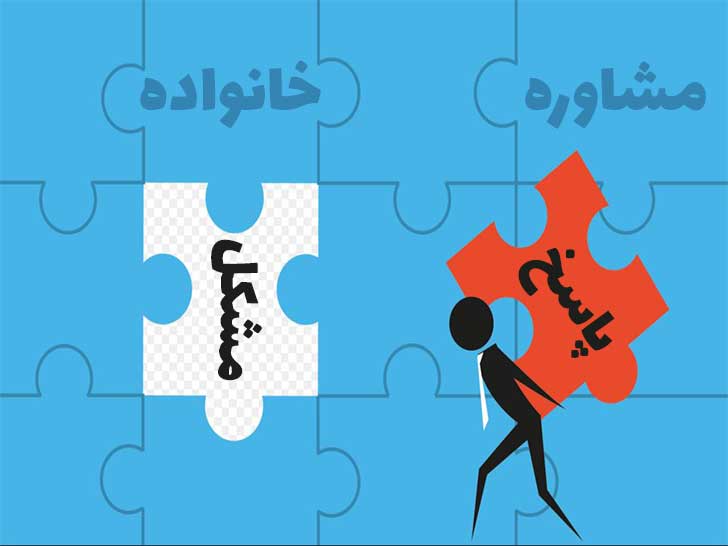
چه مشکلاتی را مشاور خانواده می تواند حل و فصل کند؟
کارشناس ندای مهر (مشاوره خانواده) -
مشاور یا مشاوره خانواده خوب برای من کیست؟
کارشناس ندای مهر (مشاوره خانواده) -

فاصله فرهنگ و سنت خانواده ها چه تاثیری بر رابطه دختر و پسر دارد ؟
کارشناس ندای مهر (مشاوره ازدواج) -

کارهایی که موجب رشد و پیشرفت خانواده شما بعد از ازدواج می شود؟
کارشناس ندای مهر (مشاوره ازدواج)